

MOPE Clinic Explains Weight Training Benefits for Women
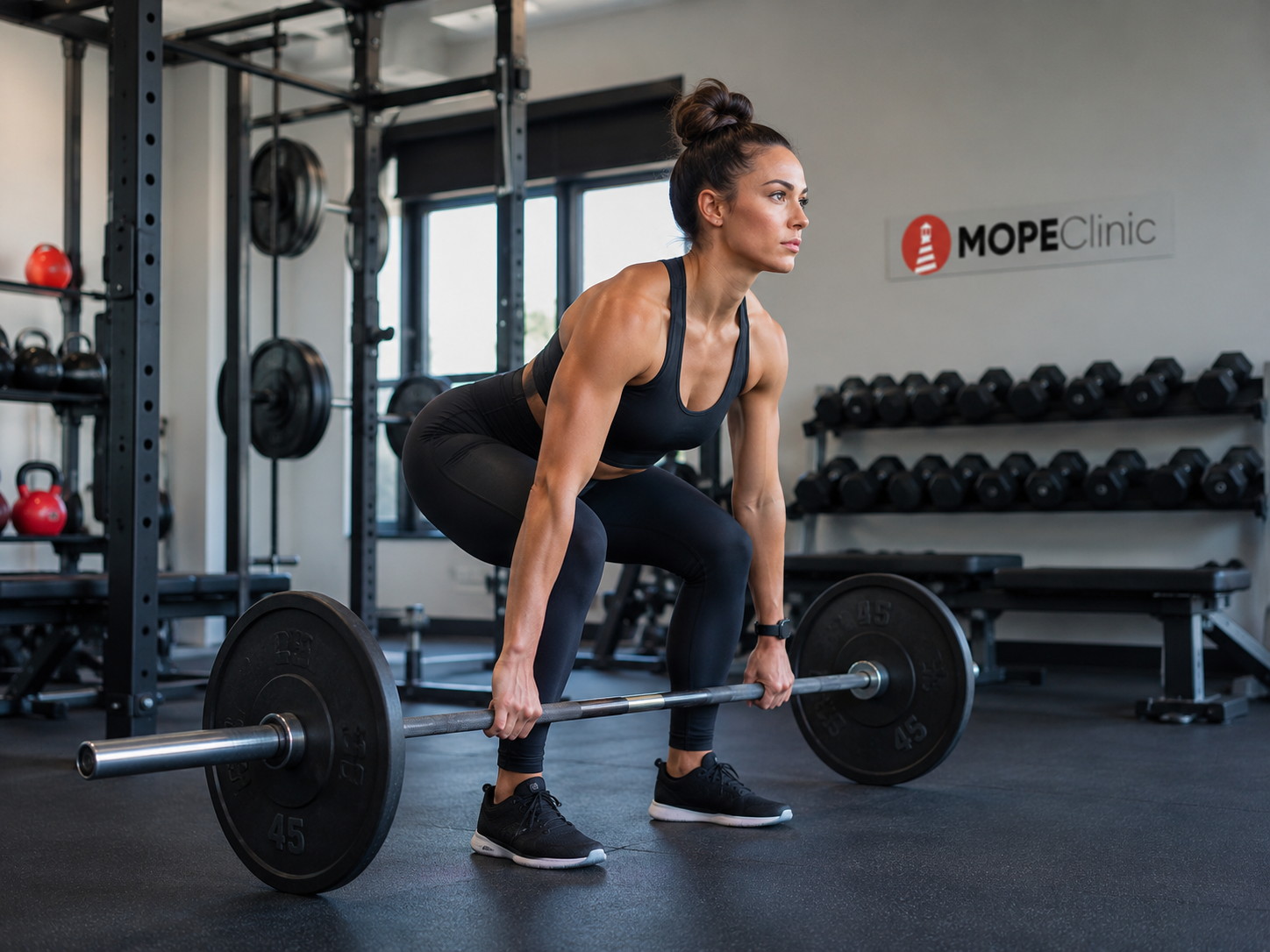
Weight training can help women build strength, support bone health, and improve confidence without automatically making them bulky.
MOPE Clinic shares educational guidance on strength training, bone health, body composition, and the myth that lifting makes women bulky.
METAIRIE, LA, UNITED STATES, June 22, 2026 /EINPresswire.com/ -- MOPE Clinic Publishes Educational Resource Addressing Weight Training Myths for Women
Metairie medical clinic shares information on resistance exercise, bone health, body composition, recovery, and when persistent symptoms may warrant medical evaluation.
METAIRIE, La. — MOPE Clinic has released a new educational resource discussing the benefits of weight training for women and addressing a common concern that often keeps women from beginning a strength-training routine: the belief that lifting weights will automatically make them “bulky.”
The article, “Weight Training for Women: Why Lifting Will Not Make You Bulky,” provides practical information on resistance exercise, including its relationship to strength, everyday function, bone health, body composition, balance, and long-term wellness. It also explains why visible muscle-size changes are generally gradual and influenced by multiple factors rather than caused by occasional weight lifting alone.
The resource was developed for women in Metairie, New Orleans, and surrounding South Louisiana communities who may be interested in becoming stronger but feel uncertain about using weights, resistance bands, gym equipment, or bodyweight exercises.
“Many women have been given the message that they should only do cardio or use very light weights,” said Chris Rue, APRN, FNP-C, owner of MOPE Clinic. “That message can keep people from exploring a form of exercise that may support strength, mobility, confidence, and long-term health. The goal of this resource is to provide practical education without the pressure or unrealistic expectations that often come from fitness trends.”
Why the “Bulky” Myth Continues
The belief that weight training automatically creates a bulky appearance has been reinforced by decades of fitness marketing, social-media comparison, and images of professional physique competitors.
However, professional bodybuilders and physique athletes often follow highly specialized programs for years. Their results may reflect high training volume, structured nutrition, recovery strategies, individual genetics, and competition-specific preparation.
For most women, beginning a strength-training routine two or three times per week does not produce dramatic muscle size changes. Instead, many people focus on improving their ability to lift, carry, climb, balance, and move more comfortably in daily life.
The term “bulky” is also subjective. It is not a clinical measurement. Women may use the term when they are concerned about body shape, clothing fit, weight gain, or social pressure around appearance. MOPE Clinic’s educational resource encourages women to look beyond a single number on the scale and consider broader indicators such as energy, strength, mobility, sleep, recovery, confidence, and overall wellness.
What Counts as Weight Training?
Weight training does not require a commercial gym, a barbell, or an advanced exercise plan.
Resistance exercise can include bodyweight movements, free weights, resistance bands, cable machines, kettlebells, medicine balls, and other tools that make muscles work against resistance. Examples may include squats, step-ups, rows, presses, glute bridges, loaded carries, lunges, and core-stability movements.
The National Institute of Arthritis and Musculoskeletal and Skin Diseases notes that resistance training includes weight machines, free weights, resistance bands, and exercises that use an individual’s own body weight. These activities place stress on bones and muscles, which can help support strength and bone health when performed appropriately.
The Mayo Clinic also notes that properly performed strength training may help individuals build strength, improve muscle tone, maintain healthy bone density, and support physical function. Proper technique, gradual progression, and appropriate exercise selection are important, particularly for people who are new to resistance training or returning after a long break.
Strength Training and Everyday Function
Many of the reasons women choose to exercise have little to do with bodybuilding or appearance.
Strength can affect routine activities such as carrying groceries, lifting children, moving furniture, climbing stairs, getting up from the floor, gardening, traveling, and completing physically demanding work tasks. Improved strength may also support confidence when participating in recreation, sports, or outdoor activities.
For women who spend most of the day sitting at a desk, driving, caregiving, or managing household responsibilities, structured resistance exercise may provide a way to deliberately train muscles that are not being challenged enough during normal routines.
A basic program does not need to be complicated. It may begin with one or two exercises for the lower body, upper body, and core, performed with a level of resistance that allows controlled form.
Bone Health Considerations for Women
Bone health is one area where resistance exercise may be especially relevant for women.
According to NIAMS, strength-training and weight-bearing activities are among the forms of exercise used to support bone health. Bone tissue responds to mechanical loading, and activities that challenge muscles and bones may play a role in maintaining skeletal health over time.
Women can experience changes in bone density as they age. Those changes can become more relevant during and after menopause, although bone health is a lifelong consideration. Factors such as family history, nutrition, vitamin D status, calcium intake, smoking, alcohol use, medication use, hormonal changes, certain medical conditions, and physical activity can all affect bone health.
Women with osteoporosis, a history of fractures, significant joint pain, severe back pain, recent surgery, pregnancy-related concerns, or other medical limitations should speak with an appropriate healthcare professional before beginning a new exercise program. Exercise plans may need to be adjusted based on the individual’s health history and physical condition.
Body Composition, Muscle, and the Scale
One reason women may become discouraged with weight training is that the scale does not always move as expected.
Body weight can fluctuate for many reasons, including hydration, sodium intake, digestion, menstrual-cycle changes, sleep, stress, medication use, activity level, and changes in lean mass. A scale cannot distinguish between fat mass, muscle mass, water, and other components of body weight.
Strength training may be useful during weight-management efforts because it can help support lean muscle. Maintaining lean mass can be important during periods of calorie reduction, since overly restrictive dieting may contribute to muscle loss as well as fat loss.
That does not mean every woman who strength trains will lose weight. Weight changes are influenced by many factors, including nutrition, sleep, stress, medical history, medications, metabolic health, exercise consistency, and individual physiology.
MOPE Clinic’s resource encourages women to consider several measures of progress rather than relying only on body weight. These may include strength improvements, increased endurance, better sleep habits, greater comfort with movement, clothing fit, waist measurements, and overall energy.
Why Cardio and Strength Training Are Not Opposites
Cardio and resistance training are often presented as if women must choose one or the other. In reality, they support different aspects of fitness.
Aerobic exercise such as walking, cycling, swimming, dancing, or jogging can support endurance and cardiovascular health. Resistance exercise can support strength, muscle function, balance, and bone health.
A balanced routine may include both. The best approach depends on a person’s current fitness level, schedule, injury history, preferred activities, access to equipment, and health goals.
For women in South Louisiana, weather can also affect exercise consistency. Long stretches of heat and humidity may make outdoor workouts more difficult during the summer. Indoor walking, resistance training, or short home-based workouts may be practical options for maintaining activity when temperatures are high.
Menopause, Perimenopause, and Changes in Strength or Recovery
Perimenopause and menopause can bring changes that affect exercise routines. Some women report shifts in sleep, energy, mood, body composition, joint comfort, or recovery during this stage of life.
Resistance training may remain an important part of an overall wellness routine during these years. However, women may need to adjust workout intensity, recovery time, exercise selection, or expectations depending on their symptoms, health history, and daily stress level.
Women who experience persistent fatigue, severe sleep disruption, significant unexplained weight changes, menstrual-cycle changes, worsening mood, reduced exercise tolerance, or other concerning symptoms should consider discussing those concerns with an appropriate medical provider.
The purpose of medical evaluation is not to assume every concern is hormone-related. Instead, it is to consider the full clinical picture, which may include symptoms, medical history, medications, lifestyle factors, and appropriate laboratory testing when indicated.
When a Medical Evaluation May Be Helpful
Exercise and nutrition are important parts of wellness. However, they are not always the full answer when someone feels unwell or is struggling to make progress despite consistent effort.
MOPE Clinic encourages patients to seek medical guidance when they experience persistent symptoms such as:
* Ongoing fatigue that does not improve with rest
* Sleep disruption that affects daily functioning
* Unexplained body-weight changes
* Changes in mood or concentration
* Reduced exercise tolerance
* Menopause-related concerns
* Difficulty maintaining a healthy routine despite reasonable nutrition and activity efforts
* Questions about how a personal health history may affect exercise or wellness goals
MOPE Clinic is a real medical clinic in Metairie, Louisiana, and is not a virtual-only provider. The clinic requires appropriate labs before treatment recommendations are made and does not prescribe medication without laboratory evaluation and medical review.
The clinic’s care model is intended to avoid one-size-fits-all recommendations. When treatment is medically appropriate, decisions are based on the patient’s symptoms, health history, laboratory findings, goals, and the clinical judgment of the provider.
A Practical Starting Point for Women New to Strength Training
Women who are interested in beginning weight training may benefit from starting with a manageable plan rather than attempting an intense program immediately.
A simple starting point may include two or three full-body sessions each week, allowing time for rest and recovery between workouts. Basic movement patterns can include squatting, bending or hinging, pushing, pulling, carrying, and core stability.
Exercises may include:
* Bodyweight squats or goblet squats
* Step-ups or split squats
* Rows with dumbbells, resistance bands, or cables
* Chest presses or modified push-ups
* Glute bridges
* Deadlift variations
* Farmer carries
* Planks or other core-stability exercises
The appropriate resistance level varies from person to person. Beginners may start with bodyweight movements, light dumbbells, or resistance bands. Over time, resistance or repetitions can be increased gradually as technique and confidence improve.
Proper form remains important. Individuals with prior injuries or uncertainty about exercise technique may benefit from working with a qualified fitness professional, physical therapist, or healthcare provider who can help them choose safer modifications.
Frequently Asked Questions
-Will lifting weights make women bulky?
Usually, no. Building substantial muscle size generally requires a long-term combination of progressive training, targeted nutrition, recovery, genetics, and a high level of training consistency. For many women, strength training is more likely to improve strength, mobility, and body composition than to create a bodybuilder-style physique.
-How often should women do weight training?
Many beginners start with two or three strength-training sessions per week. The appropriate schedule depends on current fitness level, recovery, previous injuries, available time, and health goals. Rest days are important because muscles need time to recover.
-Can women lose weight by lifting weights?
Weight training can be part of a weight-management plan, particularly because it may help preserve lean muscle. However, body-weight changes are influenced by food intake, sleep, stress, activity level, medications, health conditions, and other individual factors.
-Is cardio or weight training better for women?
Both can be beneficial. Cardio supports endurance and cardiovascular health, while strength training supports muscle function, strength, balance, and bone health. A balanced routine often includes both types of activity.
-Can women lift weights during menopause?
Many women can participate in strength training during menopause. However, exercise plans should be adjusted for individual symptoms, injuries, bone-health considerations, and medical history. Women with concerns should speak with a qualified healthcare professional.
-Can weight training help bone health?
Resistance training and weight-bearing activity are commonly included in discussions about bone health. NIAMS identifies weight machines, free weights, resistance bands, and bodyweight exercises as forms of resistance training that can challenge muscles and bones.
-Should women lift heavy weights?
“Heavy” is relative. A weight that is appropriate for one person may be unsafe or unmanageable for another. The goal is to choose resistance that challenges the muscles while allowing controlled form. Beginners often benefit from starting lighter and increasing gradually.
-Is strength training safe for beginners?
Strength training can be appropriate for beginners when exercises are selected carefully and performed with proper technique. Beginners may start with bodyweight movements, resistance bands, or lighter weights. People with health conditions, injuries, severe pain, or recent surgery should seek individualized guidance before starting.
-Why am I exercising but not seeing the results I expected?
Progress can be affected by sleep, stress, nutrition, workout consistency, recovery, medication use, hormonal changes, health conditions, and the type of training being performed. A medical evaluation may be appropriate when persistent symptoms or unexplained changes are present.
-Can strength training improve confidence?
Many people report feeling more capable and confident as they become stronger and more comfortable with movement. Confidence is personal and can come from improvements in daily function, strength milestones, consistency, or a healthier relationship with exercise.
-Do I need medical labs before treatment at MOPE Clinic?
Yes. MOPE Clinic requires appropriate labs before treatment recommendations are made. Laboratory evaluation is used alongside medical history, symptoms, and clinical assessment to help guide individualized care decisions.
About MOPE Clinic
MOPE Clinic is a LegitScript-certified medical clinic located in Metairie, Louisiana. The clinic provides personalized medical evaluation and care for patients with concerns involving energy, weight management, hormone-related symptoms, wellness, and performance-focused goals.
MOPE Clinic serves patients from Metairie, New Orleans, Slidell, Covington, Mandeville, Houma, and surrounding South Louisiana communities. The clinic is not a virtual-only provider and requires appropriate labs before treatment recommendations are made.
To read the full educational article, visit:
https://mopeclinic.com/weight-training-for-women/
For more information about MOPE Clinic, visit:
https://mopeclinic.com/
Media Contact:
MOPE Clinic
Metairie, Louisiana
Phone: (504) 265-5491
Website: https://mopeclinic.com/
Gwen M.
Designs For You
email us here
Visit us on social media:
Facebook
Legal Disclaimer:
EIN Presswire provides this news content "as is" without warranty of any kind. We do not accept any responsibility or liability for the accuracy, content, images, videos, licenses, completeness, legality, or reliability of the information contained in this article. If you have any complaints or copyright issues related to this article, kindly contact the author above.
